When selecting the ideal pergola for your property, understanding different pergola materials is essential for making an informed investment. At Country Lane Gazebos, we’ve spent over 30 years crafting premium outdoor structures from wood and vinyl, with aluminum options coming soon to expand our collection. Choosing the best pergola material directly impacts your investment’s longevity, maintenance requirements, and overall value.
Understanding Modern Pergola Materials
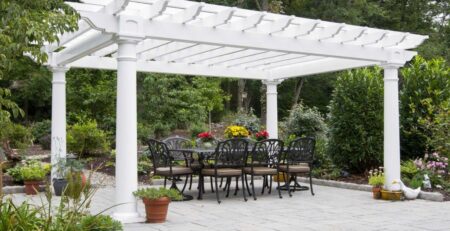
Today’s pergola materials must balance aesthetic appeal with practical functionality. Our Traditional Pergolas—available in pine, cedar, or vinyl—set the standard that imitators chase. Built with premium materials and true Amish craftsmanship, these designs bring timeless style to outdoor spaces around the world.
Whether you’re considering wood, vinyl, or our upcoming aluminum pergola options for residential or commercial use, each material offers distinct characteristics. Understanding these differences ensures you make a decision that aligns with your specific needs, climate conditions, and maintenance preferences.
Wood Pergolas: Classic Beauty and Natural Warmth

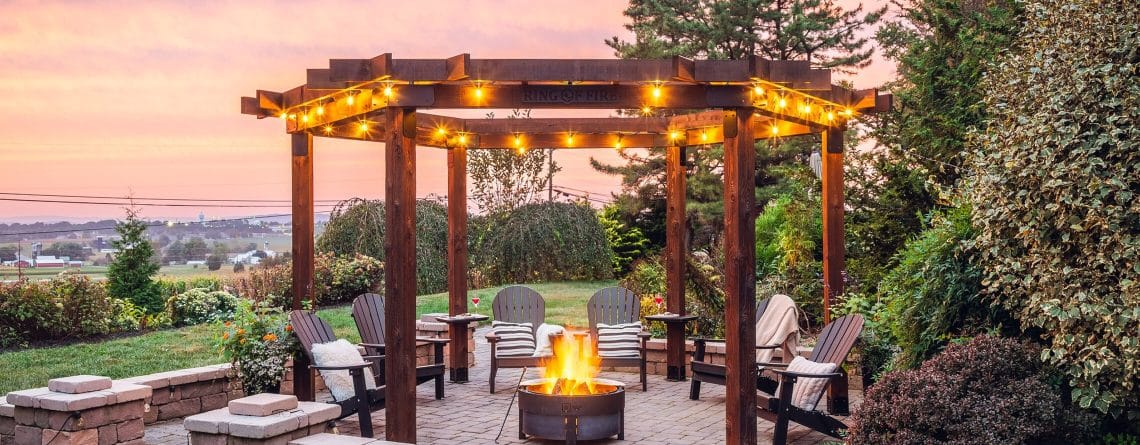
Wood remains the most traditional choice for pergola construction, offering authentic character that many homeowners find irreplaceable. Our wood pergolas, crafted from pressure-treated southern yellow pine or cedar, provide natural grain patterns and accept stains or paints for endless personalization options.
H3: Wood Pergola Advantages:
- Natural warmth and timeless aesthetic appeal
- Easily customizable with stains and paints
- Solid structural integrity for supporting add-ons like our EZ Shade Canopy systems
- Renewable, sustainably sourced building material
H3: Wood Pergola Considerations:
- Requires annual maintenance including staining and sealing
- Susceptible to weathering, particularly in humid or coastal climates
- Potential for rot, decay, and insect damage without proper treatment
- Heavier weight may require additional structural support
Vinyl Pergolas: Low-Maintenance Durability
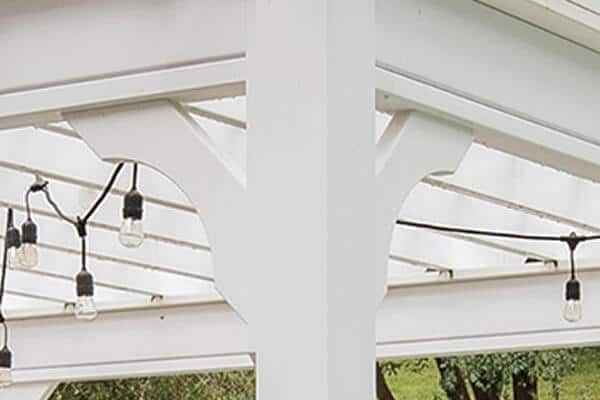
Vinyl pergolas offer an excellent middle ground between traditional aesthetics and modern convenience. These structures provide the clean appearance many homeowners desire without the intensive maintenance requirements of natural wood.
Vinyl Pergola Advantages:
- Virtually maintenance-free beyond occasional cleaning
- Resistant to rot, insects, and moisture damage
- Consistent color that won’t require painting or staining
- Lighter than wood for easier installation
Vinyl Pergola Considerations:
- Limited color options compared to painted wood
- Cannot be modified with stains or paints after installation
- May show scratches or damage more readily than other materials
- Less suitable for extremely hot climates where expansion can occur
Aluminum Pergolas: Coming Soon to Country Lane Gazebos
We’re excited to announce that aluminum pergolas will soon join our product lineup, offering another excellent option for discerning property owners. When evaluating aluminum vs wood pergola options or comparing metal vs wood pergola characteristics, aluminum presents unique advantages.
Aluminum Pergola Benefits:
- Exceptional weather resistance without rust or corrosion concerns
- Minimal maintenance requirements similar to vinyl
- Lightweight construction allowing for larger spans
- Modern powder coating technology for various color options
- Ideal for coastal environments and pool areas
While we prepare to launch our aluminum collection, our design consultants can help you explore how this upcoming material might suit your specific needs and timeline.
Comparing Maintenance Requirements
One of the most significant factors when determining which pergola is better for your situation involves maintenance commitment. Wood pergolas demand regular attention, including annual staining, sealing, and periodic inspections. This hands-on care keeps wood beautiful and extends its lifespan for decades when properly maintained.
Vinyl and aluminum pergolas require virtually no upkeep beyond occasional cleaning with soap and water. This minimal maintenance makes these materials particularly attractive for busy homeowners, second homes, or commercial properties where regular upkeep costs add up quickly.
Weather Resistance Across Materials
All our products are proudly made in the USA at our manufacturing facility in Central Pennsylvania, ensuring strict quality control regardless of material choice. Each material handles weather differently:
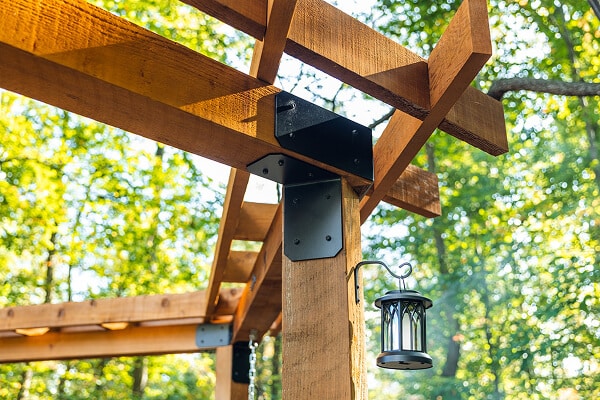
Wood pergolas, especially cedar, naturally resist decay but require protective treatments to maintain this resistance. Vinyl excels in moisture resistance but may become brittle in extreme cold. Our upcoming aluminum options will offer superior all-weather performance, maintaining appearance through various climate conditions without deterioration.
Design Flexibility and Installation
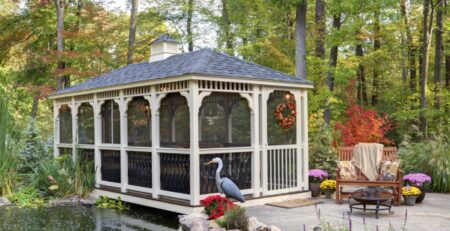
Both wood and vinyl materials offer extensive customization possibilities through our custom pergola designs. Wood’s natural versatility allows for on-site modifications and future alterations. Vinyl provides consistent, clean lines with various architectural details available.
The aluminum pergola vs wood comparison often highlights weight differences. Aluminum’s anticipated lighter weight will make installation faster and more suitable for rooftop or deck-mounted applications where structural load limits matter.
Making Your Material Decision
Choosing the best pergola material depends on your priorities. If you value traditional aesthetics and enjoy maintaining natural materials, our wood pergolas offer timeless beauty. For minimal maintenance with classic styling, vinyl presents an excellent option. Stay tuned for our aluminum pergolas, which will provide contemporary design with exceptional durability.
Explore our complete collection of pavilions and gazebos to complement your pergola choice. Contact us today to discuss your project with our design consultants who’ll help you select the perfect pergola material for your outdoor space.